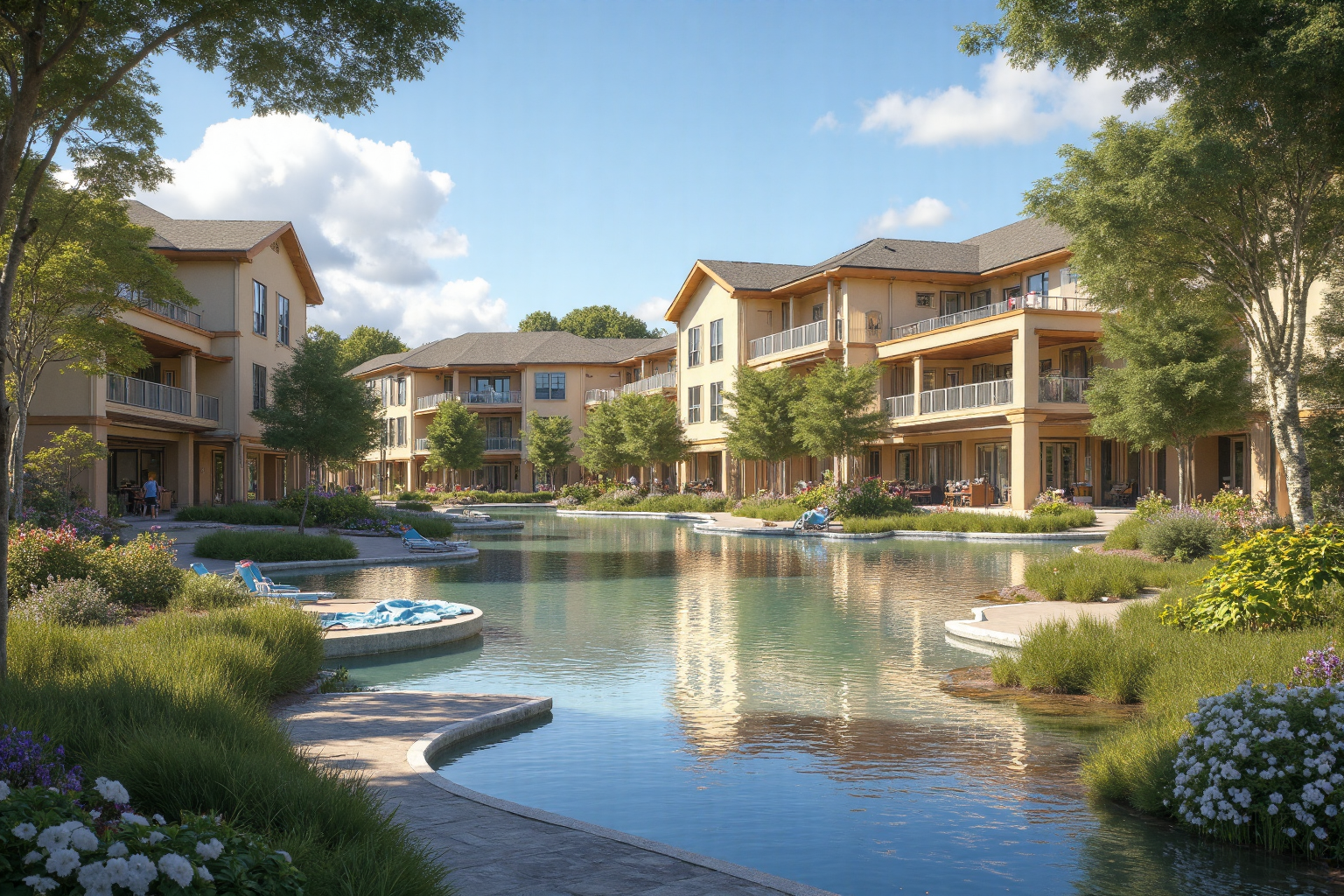
Multi-Generational Retirement Communities: Investment and Lifestyle Implications for 2025 and Beyond

Introduction: The Rise of Multi-Generational Living
The evolving landscape of retirement living is undergoing a profound transformation, marked by the rise of multi-generational communities. These innovative developments represent a significant departure from traditional age-segregated housing, instead fostering vibrant, interconnected environments where individuals of all ages can reside, interact, and thrive together. This shift is not merely a trend but a response to changing societal needs, family dynamics, and a growing recognition of the benefits of intergenerational living. Multi-generational living is increasingly viewed as a desirable alternative to traditional retirement options, attracting both seniors seeking an active social life and younger families looking for supportive community environments. This in-depth article will explore the multifaceted dimensions of these communities, focusing on their implications for real estate investment, retirement planning, and the unique lifestyle they offer, particularly as we move towards 2025 and beyond.
The appeal of multi-generational communities stems from their ability to address the diverse needs of different age groups within a single, cohesive setting. These communities are designed to encourage interaction, support, and shared experiences, creating a sense of belonging that can be particularly beneficial for both seniors and families with young children.
For example, grandparents may find joy in spending time with their grandchildren, while parents can benefit from the support network and opportunities for shared childcare. This unique approach to community design is transforming the way we think about retirement and family living, with far-reaching implications for property value trends and the overall real estate market. Moreover, the concept of multi-generational living is gaining traction as families increasingly seek ways to stay connected and provide mutual support across generations. This is particularly relevant in an era of increasing mobility and geographic dispersion, where traditional family support systems may be less readily available. Multi-generational communities offer a solution by creating a built-in network of support, companionship, and shared resources. This can lead to improved social engagement, reduced isolation, and enhanced overall well-being for all residents, especially seniors who may be vulnerable to loneliness. From a real estate investment perspective, these communities represent an emerging market with significant potential for growth. The demand for housing options that cater to the needs of multiple generations is expected to increase driven by demographic shifts and changing lifestyle preferences. As a result, property values in well-designed multi-generational communities may experience substantial appreciation, making them an attractive option for investors. Furthermore, the amenity packages offered in these communities are specifically tailored to meet the diverse needs of all age groups, creating a holistic environment where residents can live, work, and play. Features such as shared workspaces, fitness centers, childcare facilities, and intergenerational activity areas contribute to the overall appeal and functionality of these communities. For example, a community might offer a shared garden where residents of all ages can participate in gardening activities, or a community center that hosts both senior-focused events and family-friendly activities. These amenities are not just perks; they are essential elements that contribute to the long-term viability and success of multi-generational communities. Multi-generational communities are more than just a collection of houses; they are a new model for community living that prioritizes connection, support, and shared experiences. As we move further into the 21st century, the appeal and relevance of this approach to housing will only continue to grow, making it a crucial consideration for anyone interested in real estate investment, retirement planning, or the future of family living.
Diverse Models of Multi-Generational Communities
Multi-generational communities represent a dynamic and evolving sector within the real estate market, offering diverse housing models to accommodate the needs and preferences of extended families. These communities go beyond simply co-locating different generations, focusing on creating environments that foster interaction and mutual support. One common model features independent living units for seniors, often designed with accessibility in mind, alongside single-family homes or townhouses for younger families. This allows for both independence and proximity, enabling families to share in each other’s lives while maintaining their own private spaces. Another emerging model involves the development of “pocket neighborhoods” or clustered housing within larger communities, specifically designed for multi-generational families. These smaller enclaves foster a stronger sense of community and facilitate regular interaction.
A critical aspect of successful multi-generational communities lies in the thoughtful integration of shared spaces. Recreational areas, community gardens, and shared community centers are designed to foster intergenerational interaction, creating opportunities for families to connect and build relationships. For instance, a community might feature a playground adjacent to a senior-friendly fitness area, encouraging grandparents to engage with their grandchildren in a shared outdoor space. Such intentional design elements contribute significantly to the appeal and long-term viability of these communities, enhancing their value proposition for both residents and investors. Effective integration of senior-specific amenities, such as assisted living facilities and healthcare services, with family-friendly spaces like childcare centers and youth activity areas is essential. This multifaceted approach ensures that the needs of all residents are met, creating a harmonious and supportive environment.
From an investment perspective, understanding these different models is crucial for identifying communities that align with specific family structures and long-term goals. The choice of model significantly impacts property values and potential appreciation, making it a key consideration for real estate investors. Furthermore, the availability of diverse amenities can significantly influence property value trends within the multi-generational community, making it an attractive investment option. For families considering multi-generational living as a retirement planning strategy, these features offer both financial and lifestyle advantages. Shared childcare responsibilities can reduce costs, while readily available eldercare support can alleviate burdens on family members. This integrated approach to living can create a stronger sense of family unity and improve overall quality of life for all generations involved.
As the demand for multi-generational living continues to grow, developers are increasingly focusing on creating specialized amenities that cater to the unique needs of these diverse communities. These amenities can include shared workspaces for remote workers, adult education programs, and intergenerational activity areas designed to promote interaction and learning. These features not only enhance the lifestyle of residents but also contribute to the overall desirability and market value of the community. Therefore, understanding the range and quality of amenities offered is essential for both real estate investors and families considering this living arrangement. The intentional design and implementation of these features are key factors in the success and sustainability of multi-generational communities, making them a compelling option for both families and investors seeking long-term value and a vibrant living experience.
Property Value Trends and Investment Potential
Property values in multi-generational communities are influenced by a confluence of factors, including location, the range and quality of amenities, and the overall demand within the specific market. Similar to traditional real estate investments, location plays a crucial role. Communities situated near urban centers, employment hubs, quality healthcare facilities, and cultural attractions tend to command higher prices and experience greater appreciation. For instance, a multi-generational community located in close proximity to a thriving city center with excellent schools and hospitals will likely see stronger property value growth compared to a similar development in a more remote area. This is particularly relevant for families with diverse needs, encompassing both young children and aging parents. Data suggests that these communities often appreciate at a rate comparable to or even exceeding traditional senior living and family-focused developments, making them an attractive option for real estate investors seeking long-term growth potential.
The increasing demand, coupled with limited supply, can drive property values higher, creating a competitive market. This scarcity factor, combined with the unique appeal of multi-generational living, contributes to the upward pressure on property values. Furthermore, the comprehensive amenity packages offered in these communities contribute significantly to their value proposition.
Resort-style amenities, such as fitness centers, swimming pools, and clubhouses, appeal to a broad demographic, enhancing the desirability and market value of the properties. Specialized amenities catering to specific age groups, such as children’s play areas, teen centers, and senior activity rooms, further differentiate these communities and contribute to their appeal. For example, a community with a state-of-the-art fitness center, a dedicated children’s play area, and a well-equipped library caters to the diverse needs of residents, making it a more desirable and valuable property. Investors should carefully analyze the local market dynamics, including demographic trends, economic growth projections, and existing housing supply, to assess the long-term investment potential of multi-generational communities. Consulting with real estate professionals specializing in this niche market can provide valuable insights and guidance.
Moreover, the long-term financial benefits of multi-generational living extend beyond property appreciation. Shared living arrangements can lead to cost savings for individual families, as expenses for utilities, maintenance, and childcare can be distributed among multiple households. This can free up resources for other financial goals, such as retirement planning or educational investments. From a retirement planning perspective, the potential for property appreciation in a multi-generational community can serve as a valuable component of a diversified retirement portfolio.
The inherent flexibility of these communities also allows families to adapt to changing needs over time, providing a stable and supportive environment as family members age or require additional care. This can be particularly appealing to those seeking to age in place while maintaining close family connections and support networks.
Finally, the unique blend of community living and independent housing offered by multi-generational developments appeals to a growing segment of the population seeking both connection and autonomy. This lifestyle preference further fuels demand and contributes to the overall investment potential of these communities. By understanding the factors that influence property values in multi-generational communities, investors and families alike can make informed decisions that align with their financial and lifestyle goals.
Amenity Packages: Catering to All Ages
Thriving multi-generational communities depend on thoughtfully designed amenities that address the diverse needs of residents across all life stages. Shared spaces act as natural connectors, fostering activity and interaction that strengthen social bonds and support property values. Childcare centers offer critical support for young families, giving parents flexibility to work or pursue personal goals while ensuring children thrive in a safe environment. For adults, fitness centers, educational programs, and co-working spaces provide opportunities for health, skill development, and social engagement, keeping older residents active and connected.
These features aren’t just perks—they drive retention. Communities with robust amenities attract and hold residents, creating stability that appeals to homebuyers and investors. Incorporating senior-focused services like healthcare support or assisted living alongside family-friendly spaces such as playgrounds ensures every age group finds value. This balance is key to building inclusive environments where older adults can age in place comfortably while younger generations benefit from intergenerational resources.
Shared activities like community gardens or workshops bridge generational gaps. These spaces enable mentorship, collaboration, and casual conversations, enriching lives and reinforcing community ties. For retirees, on-site services reduce logistical challenges, easing access to healthcare or childcare without long commutes. Families gain too—grandparents can mentor grandchildren, parents rely on local networks, and everyone benefits from a culture of mutual support.
Investment-wise, well-maintained amenities boost property values and rental demand. Residents save money through reduced individual expenses, whether through shared services or collective discounts. In family-centric communities, these elements reinforce relationships, turning housing into a foundation for lifelong connections. The result? Not just a place to live, but a space where generations grow together.
Financial Planning for Multi-Generational Living
Financial planning for multi-generational living begins with a thorough assessment of both initial and ongoing costs. Upfront expenses vary widely depending on location, property type, and included amenities, with communities offering extensive services like senior care or childcare typically commanding higher prices. Beyond purchase costs, long-term financial considerations include homeowner association fees, maintenance, and property tax fluctuations, which can strain budgets if not projected accurately. For instance, communities with expansive shared spaces may impose higher monthly fees to sustain these amenities. Investors and residents must also evaluate property value trends, as demand and limited supply often drive appreciation, but market research into reputation, amenity quality, and management practices is essential. Properties in well-maintained communities with active intergenerational programs tend to retain or grow in value, while rental income potential from diverse property types can provide financial stability by offsetting costs.
Real estate investment in multi-generational communities requires strategic analysis of both asset appreciation and income generation. While these properties often appreciate due to rising demand, investors must scrutinize factors like community reputation and management efficiency to ensure sustained growth. Rental income from units or shared spaces within the community can serve as a reliable revenue stream, helping families balance expenses. However, this approach demands careful evaluation of market conditions and legal regulations governing short-term or long-term rentals. Additionally, diversification within the community’s property portfolio—such as combining residential units with commercial spaces—may mitigate risks and enhance returns. Understanding these dynamics is critical for making informed decisions that align with both financial goals and the unique demands of multi-generational living.
On the flip side, retirement and estate planning take on added complexity in multi-generational settings, requiring tailored strategies for different life stages. Seniors must ensure community amenities meet healthcare and lifestyle needs, while younger families balance cost of living with career and family growth objectives. Estate planning becomes particularly vital, as assets must be structured to support future generations through tools like trusts or legal frameworks. This ensures resources are available for education, healthcare, or other long-term needs. Asset management should also prioritize diversification, whether through community real estate investments or traditional retirement vehicles. Families must regularly review these strategies to adapt to changing circumstances, such as shifting financial priorities or evolving community offerings, to maintain alignment with long-term objectives.
The financial health of the community itself is a cornerstone of sustainable multi-generational living. Sound financial management, transparent accounting, and proactive planning by community leaders directly impact residents’ quality of life and property values. Communities that invest in maintenance and upgrades are more likely to retain residents and attract new ones, preserving both amenities and property worth. Residents play a key role in this ecosystem by participating in governance and staying informed about financial performance. For example, a community with strong fiscal discipline is better positioned to fund intergenerational programs, which in turn fosters engagement and stability. This interconnectedness underscores the need for collective responsibility and awareness among all stakeholders.
Financial planning for multi-generational living is an evolving process that demands continuous adaptation. As family structures and needs change—such as new generations joining or existing ones aging—plans must be revisited to reflect these shifts. This includes adjusting investment strategies, revising budgets, and updating estate documents. Regular family discussions and collaboration with financial experts specializing in multi-generational contexts are essential to navigate these changes effectively. By maintaining flexibility and proactivity, families can address challenges like fluctuating market conditions or shifting community dynamics, ensuring long-term financial resilience and harmony across generations.
Lifestyle Benefits: A Holistic Approach
Beyond the purely financial aspects, multi-generational communities present a compelling array of lifestyle benefits that significantly enhance the quality of life for residents of all ages. These communities foster a rich environment of social interaction, moving beyond the isolation that can sometimes accompany traditional retirement or family living. For seniors, this means increased opportunities for daily engagement, reducing feelings of loneliness and promoting a sense of belonging. For younger families, it provides a built-in support network, with readily available assistance from grandparents and other older adults, creating a more connected and supportive family dynamic. This intergenerational living model also provides unique opportunities for learning and sharing, where different age groups can exchange skills, knowledge, and perspectives, enriching the lives of all residents. Studies have shown that such interactions contribute to improved cognitive function in older adults and enhanced social skills in children.
The readily available support networks within these communities are another significant advantage, especially for families with young children or seniors needing assistance. Grandparents can play an active role in childcare, easing the burden on working parents and strengthening family bonds. Conversely, younger residents can provide support and companionship for older adults, helping them to maintain their independence and age in place comfortably.
This reciprocal support system creates a sense of community and mutual care that is often lacking in more segregated living environments. The presence of multiple generations also fosters a more vibrant and dynamic community atmosphere, with diverse perspectives and experiences contributing to a richer social fabric. This sense of community is a key factor in the appeal of multi-generational living, making it a highly desirable option for many families and individuals. Opportunities for intergenerational learning are abundant in these communities, going beyond mere social interaction. Shared activities, such as gardening projects, arts and crafts workshops, and storytelling sessions, provide avenues for different generations to connect and learn from one another. Seniors can share their life experiences and skills, while younger residents can introduce new technologies and perspectives. These interactions not only bridge the generational gap but also promote mutual respect and understanding. Educational programs designed for all ages, such as courses on technology, history, or the arts, further enhance the learning environment. This focus on lifelong learning and intergenerational exchange is a key differentiator for multi-generational communities, contributing to the overall well-being and personal growth of residents. Case studies from several established multi-generational communities demonstrate a clear positive impact on social, emotional, and physical health. Residents report lower levels of stress and anxiety, increased physical activity, and a greater sense of purpose. The consistent social engagement reduces the risk of cognitive decline and depression, particularly among seniors. The active lifestyle encouraged by shared spaces and recreational amenities promotes physical well-being for all age groups. For families, this translates to a more supportive and less stressful environment, allowing parents to balance work and family responsibilities more effectively. The positive outcomes observed in these communities underscore the value of intergenerational living as a holistic approach to well-being. Furthermore, the lifestyle benefits of multi-generational living often extend beyond the individual resident to impact the broader community. These communities tend to foster a greater sense of civic engagement and social responsibility, as residents of all ages are more likely to participate in community events and initiatives. This collaborative spirit can lead to the development of innovative solutions to local challenges and the creation of a more inclusive and vibrant society. The positive social impact of these communities further enhances their appeal as a desirable and sustainable model for the future of housing and community development. For real estate investment, the long-term viability and increasing demand for these communities also translate to potentially higher property value trends.
Future Outlook: Opportunities and Challenges
People aren’t just talking about multi-generational communities—they’re living it. Families increasingly value intergenerational living, partly because space crunches in cities and suburbs are making traditional housing models feel like a relic. It’s a strategic real estate move, no kidding: developers are jumping on this trend because limited supply and unique appeal are driving up property values. Early adopters? They might sleep well at night knowing their investment isn’t just a house—it’s a lifestyle shift.
But here’s the rub: making these communities work isn’t just about throwing up condos or apartments. Balancing a grandparent’s need for quiet with a teen’s Wi-Fi obsession requires inclusive planning and financial models that don’t feel like a corporate checkbox exercise. And let’s not pretend affordability isn’t a hurdle here. Developers can’t just slap a ‘low-income’ label on a $500k condo and call it a day. Equitable practices? That’s the real test.
Here’s where things get interesting: modern communities are evolving beyond childcare centers and senior care. Think shared workspaces where a 70-year-old graphic designer mentors a 15-year-old coder, or maker spaces where grandkids build robots with their grandparents. These aren’t just amenities—they’re social glue. The goal? A vibrant fabric where all ages collaborate, learn, and maybe even form unlikely friendships. It’s about creating a space where a toddler’s laughter and a retiree’s chess game coexist without one drowning out the other.
For seniors, it’s not just about proximity to family (though that’s a big plus). It’s about staying active, engaged, and part of something larger than their own living room. Younger families? They’re not just saving on childcare—they’re gaining a built-in support network. Imagine swapping parenting tips with a neighbor who’s raised three kids or learning to fix a leaky faucet from a seasoned handyman. Property values reflect this too: steady appreciation in many areas because these communities offer something rare—scarcity meets lifestyle perks.
The design is shifting too. Forget rigid ‘retirement villages’ or ‘young families only’ zones. New layouts blend family homes, independent units, and shared spaces in a way that respects privacy but encourages connection. Green spaces, walking paths, and rec centers aren’t just add-ons—they’re part of the holistic vibe. It’s a nod to the idea that living well isn’t just about square footage; it’s about how those spaces make you feel.
Looking ahead? Tech and sustainability are taking center stage. Smart home systems that adjust lighting based on who’s home, telehealth services that keep seniors connected without cluttering their lives, and digital platforms for community events. Eco-friendly practices? Renewable energy and water conservation aren’t just buzzwords—they’re necessities for long-term viability. These aren’t just trends; they’re the tools that’ll keep these communities relevant as demographics shift.
Will it all work? Maybe. Or maybe we’ll end up with a patchwork of half-baked models. But one thing’s clear: the demand isn’t slowing. For those willing to navigate the challenges—whether it’s financial, social, or design-related—multi-generational communities offer more than just a place to live. They’re a blueprint for how we might rethink community in the 21st century. (And yes, I’m biased because I’ve lived in one.)
Conclusion: Embracing the Future of Retirement Living
Multi-generational retirement communities present a significant departure from conventional housing models, offering a unique blend of investment potential and lifestyle advantages that cater to a wide range of needs and preferences. For individuals and families considering this option, a thorough evaluation of both the financial and social implications is crucial for making well-informed decisions. From a real estate investment perspective, these communities often exhibit robust property value trends due to increasing demand and limited supply, making them an attractive option for those seeking long-term capital appreciation. The integration of senior living facilities with family-friendly amenities creates a diverse and resilient market, mitigating the risks associated with single-demographic housing developments.
Furthermore, the appeal of intergenerational living contributes to higher occupancy rates and consistent rental income, enhancing the overall investment profile of these properties. Retirement planning within a multi-generational context requires careful consideration of long-term financial strategies, including estate planning and asset management. The potential for shared expenses and support networks within these communities can significantly impact retirement budgets, offering opportunities for cost savings and increased financial security. For example, grandparents might provide childcare, reducing the need for external services, while younger family members can assist with household tasks, creating a mutually beneficial arrangement.
This collaborative approach to retirement planning can lead to a more sustainable and fulfilling lifestyle. The lifestyle benefits of multi-generational living extend far beyond financial considerations, fostering a sense of community and belonging that is often lacking in traditional retirement settings. The constant interaction between different age groups promotes social engagement, reduces feelings of isolation, and provides opportunities for intergenerational learning and mentorship. For seniors, this can lead to improved mental and physical health, while younger generations benefit from the wisdom and experience of their elders.
Family communities that embrace this model experience a stronger sense of cohesion and support, creating a more vibrant and resilient living environment. The amenity packages offered in these communities are designed to cater to the diverse needs of all residents, further enhancing the appeal of this lifestyle. Shared workspaces, fitness centers, and intergenerational activity areas provide opportunities for residents of all ages to connect, learn, and grow together.
The presence of childcare facilities and adult education programs ensures that the needs of every family member are met, creating a comprehensive and supportive environment. These carefully curated amenity packages contribute to the overall attractiveness of multi-generational retirement communities, making them a highly desirable option for families seeking a holistic and enriching living experience.
As the demand for multi-generational living continues to rise, careful consideration of these factors will be essential for individuals and families seeking to embrace this innovative approach to retirement and family life. By understanding the unique investment and lifestyle implications, individuals can make informed decisions that align with their personal and financial goals, ensuring a fulfilling and prosperous future within these vibrant and dynamic communities.