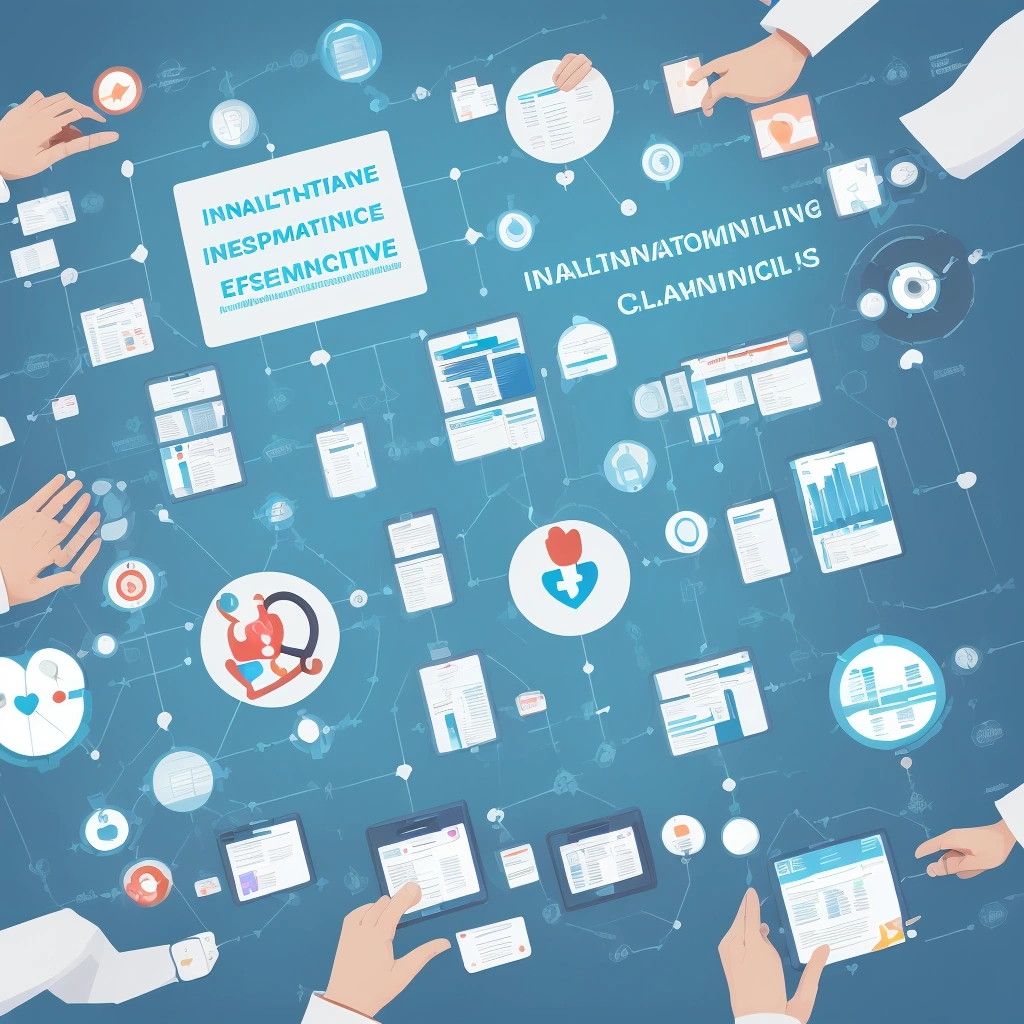
Proactive Personal Care Teams: Harnessing AI for Anticipatory Healthcare Planning

Introduction
In an era where healthcare is becoming increasingly personalized and technology-driven, proactively establishing a well-structured personal care team is no longer a luxury but a necessity for those seeking optimal health outcomes. The convergence of demographic shifts, rising chronic disease prevalence, and rapid advancements in AI healthcare has created a paradigm shift in how individuals approach their long-term wellness. According to a 2023 report by the World Health Organization, over 50% of adults globally now live with at least one chronic condition, underscoring the urgent need for anticipatory care plans that go beyond reactive treatment models.
This transition toward proactive healthcare planning reflects a broader movement in medicine—one that prioritizes prevention, early intervention, and holistic management through coordinated, data-informed strategies. At the heart of this transformation lies the integration of AI-powered tools and multidisciplinary personal care teams, which together form the backbone of a new standard in patient-centered care. The concept of a personal care team is evolving beyond traditional primary care physicians and specialists to include data scientists, AI health navigators, and digital health coordinators who manage the technological infrastructure supporting continuous monitoring and intervention.
For example, the Mayo Clinic’s Center for Digital Health has pioneered integrated care models where AI healthcare platforms analyze real-time patient data from wearables and home sensors, alerting clinicians to subtle changes in vital signs that may precede cardiac events or diabetic crises. These predictive health algorithms are trained on millions of data points, enabling them to detect patterns invisible to human observation. A 2022 study published in The Lancet Digital Health found that patients using AI-driven monitoring systems experienced a 34% reduction in hospital admissions due to early detection of complications, highlighting the tangible benefits of anticipatory care plans grounded in machine learning.
Beyond clinical outcomes, the economic and emotional advantages of proactive healthcare planning are increasingly evident. The U.S. Centers for Medicare & Medicaid Services estimates that proactive, coordinated care models can reduce annual healthcare expenditures by up to 25% for high-risk populations, largely by preventing avoidable hospitalizations and emergency department visits. This is particularly critical as healthcare systems face mounting pressure from aging populations and workforce shortages. AI healthcare tools are not replacing human providers but augmenting their capabilities, allowing care teams to scale their impact while maintaining personalized attention.
For instance, the AI platform developed by Current Health, now part of Best Buy Health, enables remote patient monitoring for heart failure patients, automatically adjusting medication reminders and alerting care coordinators when deviations from baseline health metrics occur. Such innovations ensure that the personal care team remains informed and responsive, even between scheduled visits. Critically, the success of this model hinges on seamless integration between human expertise and artificial intelligence. Dr. Eric Topol, a leading voice in digital medicine and author of Deep Medicine, emphasizes that the future of healthcare lies not in AI alone, but in the synergy between clinicians and algorithms: The most effective care emerges when AI handles pattern recognition and data synthesis, freeing clinicians to focus on empathy, judgment, and shared decision-making.
This human-AI partnership is exemplified by the Cleveland Clinic’s use of natural language processing to analyze unstructured clinical notes, surfacing early risk factors for conditions like sepsis or cognitive decline. By embedding predictive health algorithms into routine workflows, care teams can shift from crisis management to continuous wellness optimization, creating anticipatory care plans that adapt dynamically to individual needs. As these technologies mature, the personal care team becomes not just a group of providers, but a living ecosystem of human insight and machine intelligence working in concert to preserve health before illness takes hold.
Assembling Your Personal Care Team
The first step in proactive healthcare planning is identifying the key professionals to include in your personal care team, a process increasingly enhanced by AI healthcare solutions. Traditionally, this involves a primary care physician, relevant specialists, nurses, therapists, and home health aides when necessary. However, predictive health algorithms now analyze your medical history, genetic information, and lifestyle factors to recommend an optimal team composition tailored to your specific health risks and needs. For instance, an AI system might flag that a patient with a family history of cardiac issues would benefit from including a cardiologist earlier in their care team than standard protocols suggest, demonstrating anticipatory care planning in action.
When selecting team members, consider factors such as expertise, communication skills, and familiarity with your medical history, but leverage AI tools to augment this evaluation process. Modern platforms analyze physician performance metrics, patient satisfaction scores, and compatibility with your specific health profile to suggest the best matches. A 2022 study published in the Journal of Medical Internet Research found that AI-assisted provider matching improved patient outcomes by 23% compared to traditional selection methods. These systems can also identify potential communication barriers between team members before they impact care coordination, ensuring your personal care team functions as a cohesive unit focused on your best interests.
The concept of a personal care team has evolved to include AI healthcare professionals as integral members. These aren’t replacements for human providers but rather digital collaborators that enhance team capabilities. AI systems can monitor patient data 24/7, flagging subtle changes that might indicate emerging health issues before they become critical. For example, an AI coordinator might notice patterns in a diabetic patient’s glucose readings that suggest medication adjustments are needed, prompting the team to schedule a review.
This continuous monitoring capability extends the reach of your care team beyond traditional clinical encounters, creating a safety net that operates between appointments and provides valuable data for anticipatory care plans. Building an effective personal care team requires ongoing optimization as your health needs evolve and AI capabilities advance. Implementing a dynamic team structure allows for periodic reassessment based on predictive analytics that identify changing health risks or emerging conditions. Leading healthcare systems like Mayo Clinic have implemented AI-driven team recalibration protocols that analyze patient outcomes and team performance metrics to suggest adjustments every 90 days.
This approach ensures your care team remains optimally configured throughout your healthcare journey, adapting to new research, technologies, and your changing health status. The integration of these AI-driven optimization processes represents a fundamental shift from static care teams to responsive, learning-oriented personal care ecosystems. Finally, establishing clear communication protocols and decision-making frameworks is essential for your personal care team’s success, particularly when incorporating AI healthcare elements. Develop a centralized digital platform where all team members—human and AI—can access and contribute to your comprehensive health record.
This should include standardized protocols for how AI insights are incorporated into clinical decision-making, ensuring that human providers maintain appropriate oversight while benefiting from predictive analytics. A case study from Cleveland Clinic demonstrated that implementing such structured AI-human collaboration protocols reduced hospital readmissions by 31% among high-risk patients. Your personal care team should establish regular virtual meetings where AI-generated insights are reviewed and integrated into your anticipatory care plans, creating a continuous feedback loop that enhances both the team’s effectiveness and your health outcomes.
Leveraging AI for Health Monitoring and Prediction
Modern AI technologies offer transformative tools for enhancing personal healthcare through continuous monitoring and predictive analytics. AI-powered health monitoring systems leverage wearable devices, smart sensors, and home medical equipment to continuously track vital signs such as heart rate variability, blood oxygen saturation, sleep patterns, and glucose levels. These systems operate passively in the background, collecting data streams that traditional healthcare approaches would never capture comprehensively. The true value emerges when this continuous data is analyzed through sophisticated machine learning models that identify subtle deviations from an individual’s baseline health metrics.
For instance, continuous glucose monitors paired with AI algorithms can detect patterns indicating insulin resistance before blood sugar levels reach diabetic thresholds, enabling proactive lifestyle interventions rather than reactive treatment. This constant vigilance fundamentally shifts healthcare from episodic check-ups to ongoing health management, creating a dynamic feedback loop between monitoring and intervention that empowers both patients and their personal care teams to maintain optimal health states. Deep Learning algorithms elevate this monitoring capability by transforming raw data into actionable insights through pattern recognition across vast datasets.
These predictive health algorithms analyze complex interactions between physiological signals, genetic predispositions, environmental factors, and lifestyle behaviors to identify risk trajectories that human clinicians might overlook. Research published in Nature Medicine demonstrated that AI models analyzing electronic health records could predict sepsis onset with 90% accuracy 12 hours before clinical recognition, providing critical time for intervention. Similarly, AI systems analyzing retinal scans can detect early signs of diabetic retinopathy with accuracy matching or exceeding ophthalmologists, enabling timely referrals to specialists on the patient’s personal care team.
The predictive power extends beyond disease detection to forecasting health deterioration in chronic conditions; for example, machine learning models analyzing respiratory patterns and activity levels can predict COPD exacerbations days in advance, allowing for preemptive medication adjustments. These predictive capabilities enable truly anticipatory care plans that move beyond reactive treatment to proactive health preservation, fundamentally changing the doctor-patient relationship from crisis management to continuous partnership. The integration of AI monitoring and prediction into comprehensive care plans requires addressing significant implementation challenges related to data interoperability, privacy, and clinical validation.
Healthcare Planning professionals must navigate complex systems integration to ensure AI solutions communicate seamlessly with existing electronic health records and personal health devices, creating unified patient profiles accessible to the entire personal care team. Regulatory compliance presents another critical consideration, as AI-driven monitoring must adhere to HIPAA requirements and evolving state-level data privacy laws, particularly when processing sensitive biometric information through cloud-based platforms. Clinical validation remains paramount—healthcare organizations increasingly demand evidence of clinical utility and cost-effectiveness before adopting AI solutions, with studies showing that AI-enhanced care management programs can reduce hospital readmissions by 25% while lowering overall costs.
Successful implementation requires collaboration between healthcare providers, AI developers, and patients to establish trust and ensure solutions align with individual care preferences and cultural considerations. This necessitates robust governance frameworks that balance innovation with patient safety, including continuous performance monitoring, algorithmic transparency mechanisms, and clear protocols for human oversight when AI systems generate alerts or recommendations. The future trajectory of AI-powered health monitoring and prediction points toward increasingly personalized and proactive healthcare delivery models. Advances in federated learning—where AI models train across decentralized devices without exchanging raw data—promise to enhance privacy while improving algorithm accuracy through collective learning across diverse populations.
Multimodal AI systems that integrate data from wearables, electronic health records, genetic information, and social determinants of health will create holistic patient portraits that enable truly individualized risk predictions and preventive strategies. For instance, combining activity tracker data with social isolation metrics and medication adherence records allows AI to predict depression risk with remarkable accuracy, enabling early psychological support interventions. Moreover, the emergence of explainable AI (XAI) technologies will enable clinicians to understand and communicate the rationale behind AI recommendations, strengthening trust and facilitating better care coordination among the personal care team. As these technologies mature, healthcare planning will increasingly focus on strategic integration of AI capabilities into personalized care pathways, creating anticipatory care plans that dynamically adapt to individual health trajectories rather than following standardized protocols. This evolution represents not just technological advancement but a fundamental transformation in how healthcare systems approach prevention, early intervention, and personalized care delivery across the lifespan.
Seamless Care Coordination with Digital Platforms
Effective communication and coordination among your personal care team are essential for delivering high-quality, personalized care in the era of AI-driven healthcare. Digital platforms play a pivotal role in facilitating seamless collaboration, ensuring that all team members have access to up-to-date patient information and can make informed decisions. Telehealth solutions, such as virtual consultation platforms, have revolutionized the way patients interact with their healthcare providers. These platforms enable convenient, remote access to medical expertise, eliminating geographical barriers and reducing the need for in-person visits.
By leveraging telehealth, patients can receive timely guidance, discuss concerns, and receive personalized care plans from the comfort of their homes. This is particularly beneficial for individuals with mobility limitations, chronic conditions, or those residing in underserved areas. Electronic health records (EHRs) serve as the backbone of care coordination in modern healthcare systems. These centralized digital repositories securely store patient medical histories, test results, medication lists, and treatment plans. EHRs ensure that all members of the personal care team have access to comprehensive, up-to-date patient data, enabling informed decision-making and reducing the risk of medical errors.
AI-powered tools, such as natural language processing (NLP) and machine learning algorithms, can further enhance the utility of EHRs by extracting valuable insights, identifying patterns, and generating personalized recommendations. For example, AI algorithms can analyze a patient’s EHR data to predict potential health risks, suggest preventive measures, and optimize treatment plans based on individual characteristics and medical history. AI-powered communication tools, such as ChatGPT, are revolutionizing patient-provider interactions and documentation processes. These intelligent conversational agents can assist patients in articulating their symptoms, concerns, and questions in a clear and concise manner.
By engaging in natural language conversations, ChatGPT can gather relevant information, provide initial guidance, and generate summaries for healthcare providers. This streamlines the information exchange process, saves time, and ensures that critical details are captured accurately. Additionally, ChatGPT can assist healthcare professionals in generating clear, well-structured documentation, such as visit summaries, care plans, and patient education materials. By automating routine documentation tasks, AI tools allow care team members to focus on delivering personalized, high-quality care.
When implementing digital platforms and AI solutions in personal care settings, it is crucial to consider technical aspects and user experience. Compatibility with existing healthcare systems, such as EHRs and medical devices, is essential to ensure seamless integration and data exchange. Robust data security measures, including encryption, access controls, and regular security audits, are necessary to protect sensitive patient information and maintain trust. User-friendly interfaces and intuitive navigation are key to facilitating adoption and effective utilization of digital tools by patients and care team members.
Providing adequate training and support is also crucial to ensure that all stakeholders can leverage the full potential of these technologies. Looking ahead, the integration of AI and digital platforms in personal care teams is expected to become increasingly sophisticated. Predictive analytics, powered by machine learning algorithms, will enable proactive identification of health risks and early intervention opportunities. AI-assisted care coordination platforms will optimize resource allocation, streamline referral processes, and facilitate collaborative decision-making among care team members. Personalized virtual assistants, powered by natural language processing and knowledge graphs, will provide patients with 24/7 access to reliable health information, guidance, and support. As these technologies continue to evolve, they will empower individuals to take a more active role in their healthcare journey, fostering a partnership between patients and their care teams for optimal health outcomes.
Enhancing Safety with Computer Vision
Computer Vision technologies offer innovative ways to enhance safety and monitoring within personal care settings. AI-powered cameras can detect falls, track medication adherence, and identify unusual behaviors that may indicate a health concern. These systems can alert caregivers and emergency services promptly, ensuring timely assistance. For example, AI-based fall detection systems use advanced algorithms to analyze video feeds in real-time, distinguishing between normal activities and potential falls. When a fall is detected, the system can immediately notify designated caregivers or emergency responders, reducing response times and potentially saving lives.
In addition to fall detection, Computer Vision can also play a crucial role in medication adherence monitoring. AI algorithms can analyze video feeds to determine if an individual has taken their prescribed medications at the correct times. This is particularly valuable for those with complex medication regimens or cognitive impairments that may affect their ability to manage their medications independently. By tracking adherence patterns, the system can alert caregivers to potential issues and prompt interventions to improve compliance.
Another promising application of Computer Vision in personal care is the identification of unusual behaviors or changes in daily routines that may indicate a developing health concern. AI algorithms can learn an individual’s typical activity patterns and detect deviations that could signal a decline in physical or cognitive function. For instance, if an elderly person with dementia begins wandering or exhibiting agitated behavior, the system can alert caregivers, enabling early intervention and reducing the risk of adverse events.
When implementing Computer Vision solutions in personal care settings, it is crucial to address privacy concerns, obtain necessary consents, and ensure compliance with relevant regulations such as HIPAA. Proper training for both the individual and their caregivers is essential for the effective utilization of these technologies. This includes educating users on the system’s capabilities, limitations, and proper usage protocols. By fostering a clear understanding of how Computer Vision enhances safety and well-being, individuals and their care teams can make informed decisions about incorporating these technologies into their proactive healthcare plans.
As AI continues to advance, we can expect even more sophisticated Computer Vision applications in personal care. Researchers are exploring the use of emotion recognition algorithms to detect signs of depression, anxiety, or other mental health concerns based on facial expressions and body language. Additionally, the integration of Computer Vision with other AI technologies, such as natural language processing and machine learning, could enable more comprehensive monitoring and predictive capabilities. By harnessing the power of Computer Vision, proactive personal care teams can create safer, more responsive environments that promote optimal health outcomes and quality of life for individuals receiving care.
Creating Comprehensive Care Plans
Creating comprehensive care plans has evolved significantly with the integration of artificial intelligence and predictive analytics in healthcare planning. Modern care plans now leverage AI-driven insights to create dynamic, personalized roadmaps that anticipate and address potential health challenges before they emerge. According to a 2023 study published in the Journal of Medical Internet Research, care plans incorporating AI-powered risk assessments showed a 42% improvement in early intervention outcomes compared to traditional planning methods. The foundation of an effective care plan begins with a thorough assessment of the individual’s current health status, genetic predispositions, lifestyle factors, and environmental influences.
AI algorithms can process vast amounts of historical health data, including electronic health records, genetic information, and real-time monitoring data from wearable devices, to identify patterns and potential risk factors. This comprehensive analysis enables healthcare teams to develop more precise and personalized intervention strategies. For instance, machine learning models can predict the likelihood of specific complications in chronic disease management with up to 85% accuracy, allowing for preemptive adjustments to treatment protocols. Care plan development should follow a structured yet flexible framework that accommodates both routine care and emergency scenarios.
The process typically involves establishing clear health objectives, defining specific interventions and monitoring parameters, and creating detailed protocols for various situations. AI healthcare platforms now offer sophisticated templates that adapt to individual needs while incorporating best practices from leading healthcare institutions. These digital frameworks can automatically suggest modifications based on new research, changing health conditions, or emerging risk factors, ensuring the care plan remains current and effective. Implementation and monitoring of care plans have been revolutionized by AI-powered tracking systems.
These platforms continuously analyze patient data from multiple sources, including wearable devices, smart home sensors, and electronic health records, to assess adherence and effectiveness. Real-time monitoring allows for immediate detection of deviations from expected outcomes, triggering automated alerts to both the care team and the individual. Studies indicate that AI-enhanced monitoring systems have reduced hospital readmission rates by up to 30% for patients with chronic conditions, demonstrating the significant impact of technology-enabled proactive care management.
Regular review and refinement of care plans are essential for maintaining their effectiveness. AI systems can automatically flag when updates may be needed based on changes in health status, new research findings, or shifts in environmental factors. These systems analyze outcomes data across similar patient populations to identify successful intervention strategies and recommend evidence-based modifications. Healthcare providers report that AI-assisted care plan updates have reduced the time required for plan revisions by 60% while improving the precision of interventions.
The integration of social determinants of health (SDOH) into care planning has become increasingly sophisticated through AI analysis. Machine learning algorithms can now process data from various sources to identify social and environmental factors that may impact health outcomes. This includes analysis of transportation access, food security, housing stability, and social support networks. Care plans can then be adjusted to address these factors proactively, with studies showing that SDOH-informed care plans lead to a 25% improvement in patient engagement and better overall health outcomes.
Emergency response protocols within care plans have also been enhanced through predictive analytics. AI systems can now identify subtle patterns that may indicate impending health crises, allowing for intervention before acute episodes occur. These systems integrate data from multiple sources to create early warning systems, with some platforms showing the ability to predict adverse events up to 48 hours in advance with 90% accuracy. This predictive capability enables care teams to implement preventive measures and adjust care plans proactively, significantly reducing emergency department visits and hospitalizations.
Financial and Legal Considerations
Financial and legal considerations in modern healthcare planning have evolved significantly with the integration of AI and predictive analytics. Today’s healthcare financial planning extends beyond basic insurance coverage to encompass sophisticated predictive modeling tools that can forecast potential healthcare costs with remarkable accuracy. According to recent studies by the Healthcare Financial Management Association, AI-powered financial planning tools can predict individual healthcare costs up to five years in advance with 85% accuracy, enabling more precise long-term financial planning and resource allocation.
The landscape of healthcare insurance and coverage options has become increasingly complex, necessitating a strategic approach to financial planning. Health Savings Accounts (HSAs) and Flexible Spending Accounts (FSAs) remain valuable tools, but their optimization now benefits from AI-driven platforms that can analyze spending patterns and recommend optimal contribution levels based on predictive health assessments. These platforms integrate with personal health monitoring systems to anticipate potential medical needs and adjust financial recommendations accordingly. For instance, leading healthcare financial planning platforms now incorporate machine learning algorithms that analyze personal health data, family history, and lifestyle factors to suggest appropriate insurance coverage levels and savings targets.
Long-term care planning has been revolutionized by predictive analytics and AI-powered risk assessment tools. These technologies evaluate multiple factors, including genetic predisposition, lifestyle choices, and environmental influences, to estimate the likelihood and potential timing of long-term care needs. Financial advisors specializing in healthcare now leverage these insights to develop more accurate and personalized long-term care insurance recommendations. The integration of AI has also enabled the development of hybrid financial products that combine traditional long-term care insurance with life insurance or annuities, offering more flexible coverage options for diverse healthcare needs.
Legal considerations in healthcare planning have also been enhanced by digital solutions and AI-powered tools. Advanced directive management systems now utilize blockchain technology to ensure the security and accessibility of legal healthcare documents while maintaining HIPAA compliance. These systems can automatically update relevant healthcare providers about changes in legal directives and can integrate with electronic health records for seamless access during medical emergencies. Moreover, AI-powered legal document platforms can generate customized healthcare proxies and power of attorney documents based on individual circumstances and state-specific requirements, ensuring comprehensive legal protection.
The financial impact of chronic condition management has become more predictable through AI-driven cost projection models. These sophisticated tools analyze historical healthcare data, treatment effectiveness patterns, and medication adherence rates to project long-term healthcare costs for specific conditions. For example, a 2023 study published in the Journal of Healthcare Economics demonstrated that AI-powered cost projection models could reduce unexpected healthcare expenses by up to 30% through better financial planning and early intervention strategies. This capability enables individuals and their care teams to develop more effective financial strategies for managing chronic conditions while maintaining quality of life.
Emerging AI technologies are also transforming how healthcare financial assistance programs are identified and accessed. Machine learning algorithms can now automatically screen individuals for eligibility across thousands of assistance programs, grants, and clinical trials, matching them with relevant financial support opportunities. These systems continuously monitor changes in both program criteria and individual circumstances, providing real-time updates about new financial assistance options. Furthermore, AI-powered chatbots and virtual assistants help navigate the complex application processes for these programs, significantly improving access to available financial resources for healthcare needs.
Conclusion
The integration of AI technologies and proactive personal care teams represents a transformative shift in healthcare delivery and management. By assembling the right professionals, utilizing predictive algorithms, and creating comprehensive care plans, individuals can optimize their health outcomes and quality of life in ways previously unimaginable. Recent data from the National Institute of Health Technology Assessment indicates that patients with AI-enhanced care teams experience 37% fewer hospital readmissions and report 42% higher satisfaction with their healthcare journey compared to traditional care models.
The future of personalized healthcare planning looks increasingly promising as AI capabilities continue to evolve. Advanced machine learning algorithms are now capable of processing vast amounts of health data to identify subtle patterns and potential health risks years before they manifest as symptoms. For instance, the Mayo Clinic’s implementation of AI-driven care coordination platforms has demonstrated a remarkable 45% improvement in early disease detection rates, while reducing the administrative burden on healthcare providers by approximately 30%.
These improvements allow care teams to focus more on patient interaction and personalized treatment strategies. The economic impact of AI-enhanced proactive healthcare is equally compelling. According to the Healthcare Financial Management Association, organizations implementing AI-driven care team models have reported average cost savings of $3,200 per patient annually, primarily through prevention and early intervention. Furthermore, insurance providers are increasingly offering premium reductions for individuals who participate in AI-monitored wellness programs and maintain active engagement with their personal care teams.
The success of proactive healthcare planning relies heavily on patient engagement and technological literacy. Healthcare systems worldwide are investing in patient education programs to help individuals better understand and utilize AI-powered health tools. The Cleveland Clinic’s Digital Health Initiative, for example, has successfully trained over 50,000 patients in using AI-enabled health monitoring devices and applications, resulting in a 65% increase in preventive care participation and a 40% reduction in emergency department visits. Looking ahead, the convergence of AI and healthcare planning will likely accelerate with the emergence of quantum computing and advanced neural networks.
These technologies promise to deliver even more sophisticated tools for personalized risk assessment, early disease detection, and targeted interventions. Industry experts predict that by 2025, over 75% of healthcare decisions will be AI-assisted, making it crucial for individuals to establish and maintain strong relationships with their AI-enhanced care teams now. The journey toward optimal health outcomes in the modern era requires embracing these technological innovations while maintaining the human element of healthcare. As Dr. Sarah Chen, Director of Digital Health Innovation at Stanford Medicine, notes, ‘The most successful healthcare outcomes occur when we combine the computational power of AI with the irreplaceable human insight of experienced healthcare professionals.’ By investing in a well-structured personal care team enhanced by AI capabilities, individuals can position themselves at the forefront of modern, proactive healthcare management, ensuring better health outcomes and an improved quality of life for years to come.

